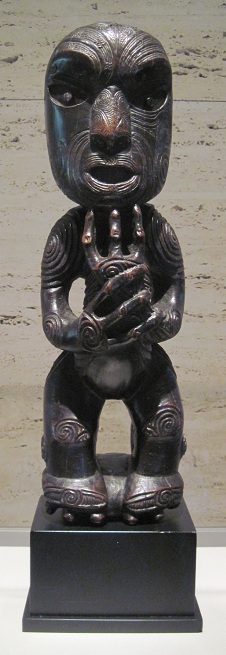
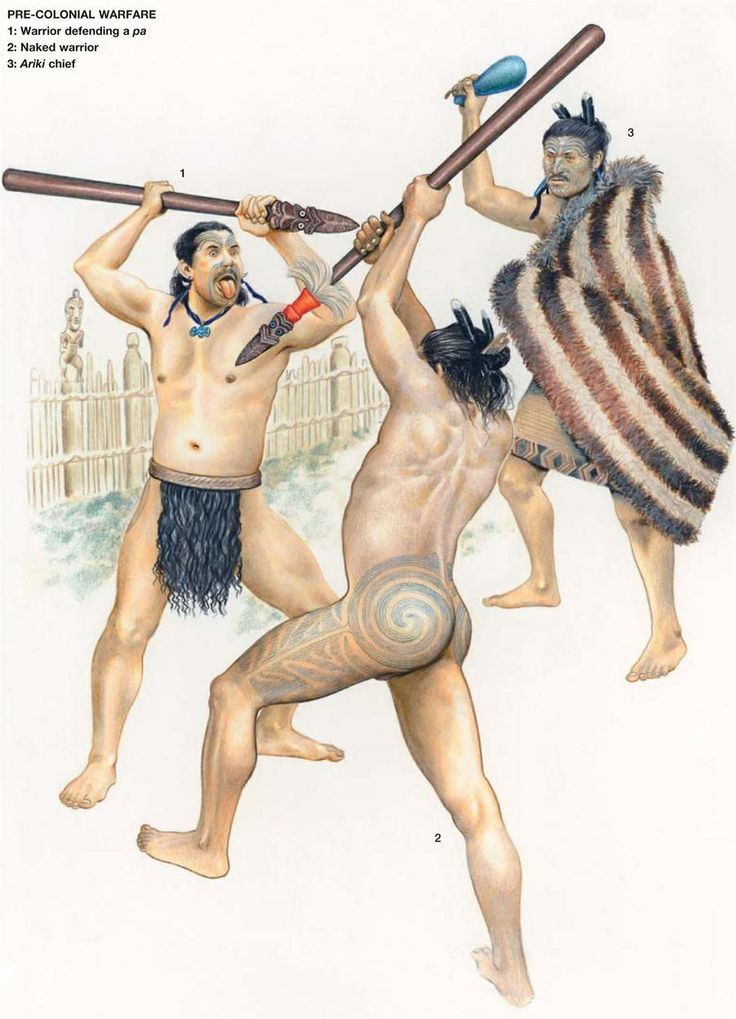
Subject: ariki / rangatira warrior chief
Culture: Maori
Setting: Musket Wars, Aotearoa / North Island 1807-1830
Event Photos
* Archey 1967 p35
"To be a man was for the Maori to be a warrior, to be skilled in arms, to be fearless, inured to hardship, and, for a leader, to be a wise strategist and a quick-witted tactician.
"The gentler side of man's nature, the civilized virtues of manliness, was less appreciated by the Maori, who was proud and even boastful, quick to taunt an enemy, but even quicker to resent and avenge an insult. His sword was seldom sheathed for lack of argument. There was need to suppress some neighbour growing too strong; a trespass on fishing grounds or forest preserves required 'adjusting'; a long-nursed insult called for revenge; or it was your turn to expect an avenging raid, and it was wise to look to your defences."
* Archey 1967 p36-37
"Attacking or raiding parties underwent careful preparations before setting out on an expedition; not so much for weapons, however, for these were the property of each individual warrior, and were always ready.
"Primarily, the auspices had to be consulted and omens observed; natural manifestations, such as thunder, lightning, clouds and the rainbow, were all personified as spirits of good or evil omen, and they, and the greater gods of war, must be placated.
"A war party was tapu, made so by dedication to Tu, the god of war, through a kind of renewal of the tohi, or baptism rite, by which a youth became a man; any breach of the tapu would remove the protection of the gods, and disaster would follow."
* Sahlins 1985 p55
"[F]rom the beginning of mankind sex has been a battle which women win, turning the death of the man (detumescence) into the life of the people (the child). bMaori say, 'the genitals of women are the killers of men.'"
Primary Sources
*
"
Secondary Sources
*
"
Field Notes
1.